

📚 Part of a Series: The History of Credit and Debt: A 9,000-Year Journey — Explore 9,000 years of how humans have struggled with credit and debt.
Quick Answer: Credit history helps by enabling access to loans and favorable rates, but hurts when poor payment records limit borrowing options. The credit tracking system originated 9,000 years ago with counting tokens, and writing was actually invented to record financial transactions on clay tablets in ancient Mesopotamia.
The Beginning
The credit and debt system began before the written word. Approximately 9,000 years ago man invented counting tokens to keep track of trades and obligations. In fact, the art of writing was invented to record our financial dealings.
Keeping Track
While the early counting tokens may have been a form of money, we don’t know for sure how they were used. It’s not until man developed a written language that we have our first complete financial records.
Each weekday I send one short email: one story that caught my attention, why it might matter to you, and one manageable thing you can do with it. A couple of minutes, and a dad joke.
In the latest issue (Nov 6): Owed money on an Amazon return? Check by Dec. 1
Free. I sell nothing. Unsubscribe any time.
Before the days of the first recorded contracts and financial transactions, people used cattle, grain, silver or anything else they could agree on as currency to be used in a trade.
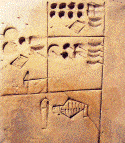 Over 3,000 years ago in the city of Uruk, people kept tabs on who owed what to whom on clay tablets like the one shown. These tablets contain the earliest-known recordings of financial transactions and were discovered in the area known as Mesopotamia.
Uruk was situated south of Baghdad, on an ancient branch of the Euphrates River, in Iraq (known in the Bible as Erech). Today the area is known as Warka.
These early writings appear to be contracts and fiscal records. It could be argued that writing was invented to keep track of these types of deals.
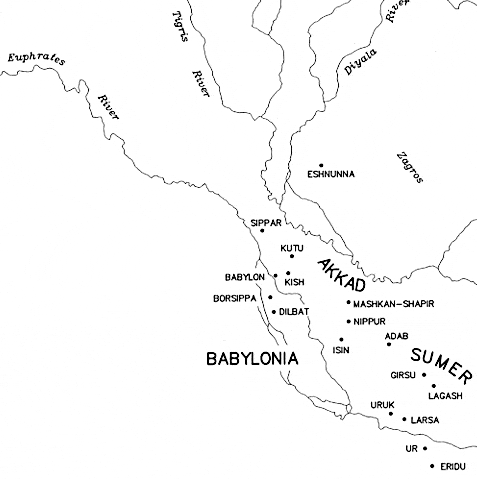
Map of the Mesopotomia region
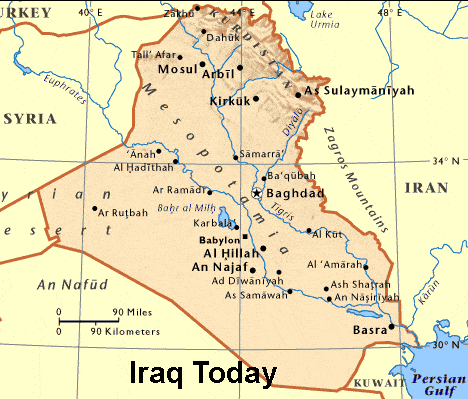
Map of Modern Iraq
Before You Sign Anything: Run any debt relief contract through the free Contract Decoder to spot hidden fees and unfair terms. Check the company’s complaint history with the Scam-O-Meter.
Compare Your Real Options: Most debt relief companies won’t tell you about all your options — especially the ones they can’t profit from. Credit counseling has a 21-27% completion rate. Settlement resolves about 1% of enrolled debts fully. Chapter 7 bankruptcy generally ends in a discharge for individual filers in more than 99% of cases, excluding cases dismissed or converted (U.S. Courts) — and protects your retirement. Take the Find Your Path quiz for a recommendation based on your actual numbers.



